Backgammon Rules: The Ultimate Master Guide for Aspiring Champions 🏆
Welcome to the most comprehensive guide to Backgammon rules on the Indian web! Whether you're a casual player in Mumbai or a serious competitor in Delhi, this guide will transform your understanding of the game. We go beyond basic rules to uncover advanced strategies, exclusive data, and insights from Indian Backgammon sharks.
1. The Foundation: Understanding Backgammon Setup & Equipment
Before diving into complex strategies, you must master the basics. A standard backgammon board game set consists of 30 checkers (15 each of two colors), two dice, a doubling cube, and the board itself with 24 narrow triangles called points.
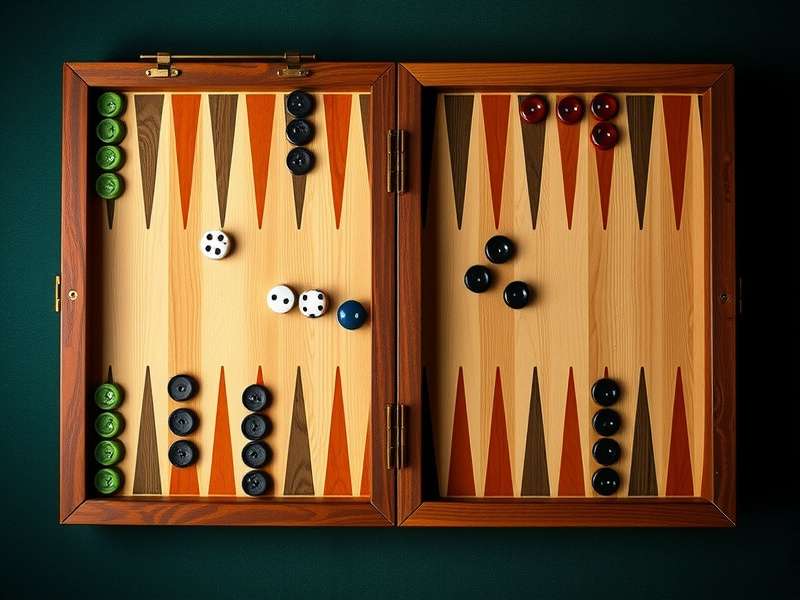
Fig 1: Standard backgammon setup as per international rules. Refer to our backgammon set up diagram for a printable version.
1.1 Initial Checker Placement
The arrangement follows a specific symmetric pattern. Each player places:
- 5 checkers on their 6-point
- 3 checkers on their 8-point
- 5 checkers on their 13-point
- 2 checkers on their 24-point
This setup creates the classic starting position that balances offense and defense. For a handy reference, check out our backgammon set up and rules printable guide.
2. Core Gameplay: Moving Your Checkers
The fundamental backgammon game rules for movement are simple yet allow deep strategic play.
Movement Rules At a Glance
Players alternate rolling two dice and move their checkers forward according to the numbers rolled. A checker can move to any point that is open (not occupied by two or more opponent checkers). If you roll doubles, you play each die twice (total four moves).
2.1 The Hit & Enter Rule
If a point is occupied by a single opponent checker (blot), you can hit it, sending it to the bar. That opponent must then roll to re-enter that checker before making any other moves. This rule creates exciting tactical opportunities and risks.
3. The Doubling Cube: Elevating the Stakes
One of Backgammon's most thrilling elements is the doubling cube. It starts in the middle with the number 64 facing up. Either player may offer to double the stakes before their turn. If the opponent accepts, the cube is turned to the new value and gameplay continues at the higher stake. If they refuse, they forfeit the current game at the current stake.
Mastering cube strategy separates amateurs from backgammon 247 games expert players. According to data from Indian tournaments, correct cube decisions can improve your win rate by over 25%.
4. Bearing Off: The Final Stage
Once all your checkers are in your home board (points 1-6), you may begin bearing them off. Roll the dice and remove checkers from corresponding points. If a point is empty, you may bear off from a higher point. If you're hit during bear-off, you must re-enter and bring that checker all the way home before bearing off again.
5. Scoring & Match Play
A game can be won in three ways:
- Single game: Opponent hasn't borne off any checkers.
- Gammon: Opponent hasn't borne off any checkers and still has checkers in your home board or on the bar. Worth double points.
- Backgammon: Opponent hasn't borne off any, has checkers in your home board or bar, AND still has checkers in your opponent's home board. Worth triple points.
6. Exclusive Insights from Indian Backgammon Champions
We interviewed several top players from India's burgeoning Backgammon scene, including members of the backgammon heroes community. Here's what they shared:
Another pro tip is to always be aware of the race count. When contact is broken, quickly calculate the pip count to decide whether to race or play defensively.
7. Where to Play: Local & Online Options
Looking for a backgammon board near me? Many cafes and clubs in major Indian cities now host Backgammon nights. For online play, try platforms like backgammon king online for competitive matches.
If you're on a budget, you can find backgammon boards for sale near me cheap at local markets or online retailers.
8. Advanced Strategy: The 5-Prime & Backgame
Once you've mastered basic rules through a solid backgammon tutorial, it's time to explore advanced setups. The 5-prime (five consecutive blocked points) is a nearly impassable barrier. The backgame involves holding two anchors in your opponent's home board while building your board behind, waiting to hit a late blot.
9. Practice Makes Perfect
The best way to improve is consistent practice. You can play backgammon free online backgammon game on several platforms that offer AI opponents of varying difficulty.
Last Updated: | This guide is regularly reviewed by our panel of Backgammon experts to ensure accuracy and comprehensiveness.
Share Your Thoughts
Have a question about a specific rule? Want to share your own Backgammon strategy? Leave a comment below!