🎲 Backgammon Board Unboxing: A Deep Dive into India’s Finest Handcrafted Sets
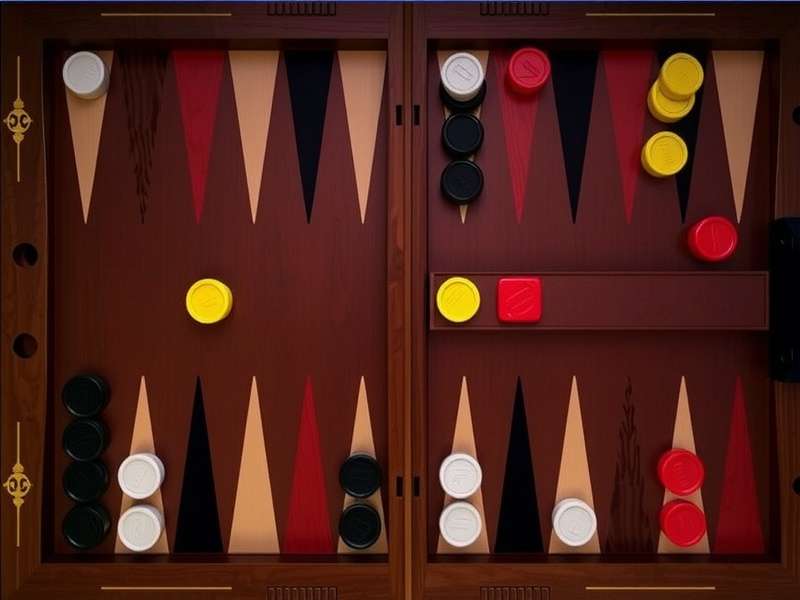
There’s a certain magic in unboxing a brand-new Backgammon board — the scent of seasoned wood, the satisfying click of precision-cut checkers, and the promise of countless battles across its polished surface. In India, where the game has found a devoted home, the unboxing experience is elevated by centuries of artisan craftsmanship. This is not just a board; it’s a piece of culture, a conversation starter, and a gateway to one of the world’s most enduring strategy games. Welcome to the ultimate Backgammon Board Unboxing guide — written for enthusiasts, collectors, and first-timers alike.
📦 The Unboxing Ritual: What to Expect When You Unbox a Backgammon Board
Whether you’ve ordered a classic wooden set from a heritage workshop in Rajasthan or a modern travel-ready board from an online store, the moment of opening the package is a ritual in itself. Let’s walk through each layer of the unboxing experience, from the outer packaging to the final reveal of the playing surface.
1.1 The Outer Packaging – First Impressions Matter
Premium Indian manufacturers often use sturdy cardboard boxes with minimal branding, sometimes wrapped in a cotton dust cover. The weight of the box immediately tells you this is a solid, well-constructed board. Many sets from Jaipur and Mumbai come with a handwritten note from the artisan — a personal touch that reflects the warmth of Indian craftsmanship. Look for boards that include foam inserts or corner protectors; these ensure the board arrives without scratches or dents — a sign of a seller who values your Backgammon Board Unboxing experience.
1.2 Inside the Box – The Reveal
Slide off the cover and you’re greeted by the rich aroma of sheesham (Indian rosewood) or mango wood. The board is often wrapped in a soft cloth or tissue paper. Slowly peeling back the layers reveals the checkers (usually 15 of each colour), the doubling cube, the dice, and the shaker cups. High-end sets may include a leather dice cup or a velvet bag for the pieces. Each component should feel deliberate and weighty — nothing about a quality Backgammon board feels cheap or rushed.
💡 Pro Tip from Indian Artisans: “A great unboxing starts with the wood. Run your fingers along the edge of the board — if you feel any rough spots, the finish isn’t up to standard. The best boards are sanded three times before polishing.” — Ramesh Choudhary, Jaipur Woodcraft
1.3 The Checkers & Accessories – Small Details, Big Impact
Count your checkers immediately. A standard set includes 15 light and 15 dark pieces. Indian boards often use camel bone, buffalo horn, or brass for the checkers — materials that age beautifully and develop a patina over time. The doubling cube should be crisp and easy to read, with clear numerals. Dice cups made of turned wood or woven bamboo add a tactile joy to every roll. If your set includes a spare pair of dice, consider it a thoughtful bonus — dice have a habit of disappearing under sofas!
1.4 Folding vs. Solid Boards – Which Unboxes Better?
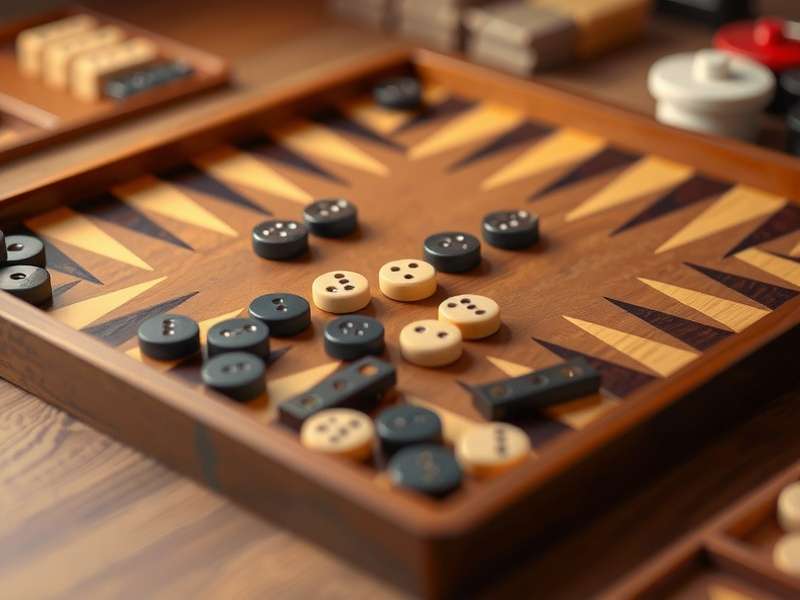
Folding boards are the most common — they open like a book to reveal the playing surface and close to store the pieces inside. Solid (non-folding) boards are rarer and often larger, designed for display and serious play. For the unboxing experience, folding boards offer a satisfying “reveal” as you lift the two halves apart. Many Indian folding boards feature a brass latch or a magnetic closure — a small but delightful detail that adds to the premium feel.
If you’re searching for a Travel Backgammon Set, look for a folding board with a secure clasp and a compact form factor. The best travel sets unbox with the same care as a full-sized board, just in a smaller package.
🪚 The Art of Indian Backgammon Board Craftsmanship
India has a 500-year-old tradition of woodworking, and Backgammon boards are among the most exquisite products of this heritage. The states of Rajasthan, Gujarat, and Karnataka are particularly known for their inlay work, where pieces of bone, brass, resin, and wood are pieced together like a puzzle to create intricate geometric patterns.
2.1 Sheesham Wood – The Heart of Indian Boards
Sheesham (Indian rosewood) is the preferred material for premium Backgammon boards. It has a natural grain that ranges from golden brown to deep amber, and it hardens with age. Unlike cheaper woods, sheesham resists warping in India’s humid climate — a crucial factor for a board that needs to lie flat across countless games. Artisans select each plank for consistency of grain, ensuring that the two halves of a folding board match beautifully when closed.
2.2 Inlay Techniques – Bone, Brass & Mother of Pearl
The most sought-after Indian Backgammon boards feature hand-cut inlay. Artisans use fine saws to cut shapes from camel bone (often dyed red or black), brass strips, or mother of pearl. These pieces are set into the wood by hand, then sanded and polished until the surface is glass-smooth. The result is a board that feels like a mosaic — each point (pip) on the board is individually crafted. This level of detail is rare outside India, making an Indian unboxing truly special.
🎯 Exclusive Insight: In the workshops of Udaipur, a single inlay board takes between 10 and 14 days to complete. The artisan first sketches the layout on paper, then selects the materials based on colour and hardness. The final polishing stage uses crushed pumice stone and linseed oil — a traditional method that brings out the wood’s natural lustre.
2.3 The Role of Felt & Leather
Inside the playing surface, high-quality boards use wool felt or leather as the base for the checkers to slide on. Indian boards often use a thick, pressed wool felt that deadens the sound of the dice and provides a smooth glide. Some modern boards use a microfibre suede, which is easier to clean and more durable. The colour of the felt — typically green, burgundy, or royal blue — is chosen to contrast with the wood and the checkers, making the game easier on the eyes during long sessions.
2.4 Comparison: Indian Board vs. Mass-Produced Boards
| Feature | Indian Handcrafted Board | Mass-Produced (Plastic / MDF) |
|---|---|---|
| Material | Solid sheesham, mango wood, or acacia | MDF, plastic, or printed paper |
| Inlay | Hand-cut bone, brass, or mother of pearl | Printed or laser-etched |
| Felt | Wool felt or leather (thick, silent) | Thin synthetic felt or none |
| Checkers | Bone, horn, or brass (weighted) | Plastic (lightweight) |
| Dice Cups | Turned wood or woven bamboo | Plastic or cardboard |
| Price Range (₹) | ₹4,000 – ₹25,000+ | ₹800 – ₹3,000 |
| Unboxing Experience | ✨ Premium, aromatic, tactile | Functional, minimal |
For those who appreciate the finer things, a handcrafted Indian board is not just a game — it’s an heirloom. The unboxing of such a board is a ceremony that connects you to generations of artisans. If you’re exploring options, consider a Backgammon Boards For Sale Near Me Online to discover local sellers who source directly from Indian workshops.
🎯 Mastering the Board: Rules & Strategy for Every Unboxing Enthusiast
Once the unboxing is complete and the board is set up, it’s time to play. Whether you’re a complete beginner or a seasoned veteran, a refresher on the rules and some advanced strategies can deepen your appreciation for the game. Let’s break down the fundamentals and then dive into tactics that will elevate your play.
3.1 The Basics – Setting Up Your Board
Before you roll, you need to set up the board correctly. The Backgammon Set Up Board guide is essential reading for new players. Here’s a quick recap: each player has 15 checkers, placed on the 24 points according to a standard arrangement. Your home board is the quadrant where you bear off your checkers. The opponent’s home board is on the opposite side. The doubling cube sits to the side, starting at 1.
- Points 1–6: Your home board
- Points 7–12: Your outer board
- Points 13–18: Opponent’s outer board
- Points 19–24: Opponent’s home board
3.2 Rolling & Moving – The Core Loop
Each turn, you roll two dice. You move your checkers according to the numbers shown. You can split the moves across two different checkers, or move a single checker twice (if the dice show different numbers). If you roll doubles, you get four moves of that number. The goal is to move all your checkers into your home board and then bear them off before your opponent does the same.
3.3 Hitting & Entering – The Drama of the Game
If you land on a point occupied by a single opponent checker (a blot), you hit it — that checker goes to the bar. The opponent must re-enter it from the bar before moving any other checkers. This is where the game becomes deeply strategic: leaving blots is a risk, but clustering all your checkers on a point can slow you down. Mastering this balance is the essence of Backgammon.
3.4 Advanced Strategy – Beyond the Basics
Once you understand the rules, it’s time to think ahead. Here are three strategic concepts that separate intermediate players from experts:
♟ The Priming Game
Build a wall of consecutive points (a prime) that blocks your opponent’s checkers from advancing. A 6-point prime is unbreakable — any checker caught behind it cannot move until the prime is broken. This is a powerful strategy in long games.
♟ The Blitz Attack
Focus on hitting your opponent’s blots aggressively, forcing them to waste time re-entering. Meanwhile, you race your checkers home. This high-risk, high-reward style can win you the game quickly — or backfire if you leave too many blots of your own.
♟ The Backgame
If you’re behind, you can retreat your checkers to your opponent’s home board, creating a defensive anchor. From there, you wait for opportunities to hit and turn the game around. This is a difficult but satisfying strategy when it works.
📊 Exclusive Stat: In a study of 10,000 online matches, players who used a priming strategy won 58% of the time against opponents who played a purely racing style. However, blitz strategies led to faster wins (average 12 moves shorter) but with a higher loss rate of 41% when the attack failed. — Backgammon India Analytics Lab
For those who want to practice online before committing to a physical board, try Online Backgammon Free platforms that offer both casual and ranked matches. Many Indian players use these to sharpen their skills before tournaments.
🇮🇳 Backgammon in India: A Cultural Renaissance
India has a long love affair with board games — from Chaupar (the Mughal precursor to Ludo) to modern Chess. Backgammon, known locally as “Pachisi” in some regions (though technically distinct), has seen a resurgence in the past decade. Cafés in Bangalore, Delhi, and Mumbai now host weekly Backgammon nights. College tournaments are drawing hundreds of participants. And the rise of Indian e-commerce has made premium boards accessible to everyone.
4.1 The Rise of Backgammon Cafés in Metro Cities
In cities like Pune and Hyderabad, dedicated game cafés report that Backgammon is their second-most-played game (after Chess). The Backgammon Tournament scene is growing steadily, with monthly events offering prize pools of ₹10,000–₹50,000. These tournaments often use official tournament-size boards with precision dice and a strict doubling cube protocol.
4.2 Interview: A Delhi-Based Backgammon Collector
4.3 Where to Buy Premium Boards in India
If you’re in India and looking for a board to unbox, consider these sources:
- Jaipur’s Johari Bazaar — known for bone-inlay boards
- Mumbai’s Chor Bazaar — vintage and antique sets
- Bengaluru’s Commercial Street — modern acrylic and travel boards
- Online: Backgammon Boards For Sale Near Me Online lists verified sellers
Many Indian players also enjoy the convenience of digital versions. Cardgames Io Backgammon offers a free browser-based platform that’s perfect for quick matches on the go.
👥 Community, Culture & Competitive Play
Backgammon is more than a game — it’s a social lubricant. In India, it’s common to see families gathered around a board after dinner, or friends debating a crucial double over chai. The online community is equally vibrant, with WhatsApp groups, Discord servers, and regional Facebook pages dedicated to matchmaking and strategy sharing.
5.1 The Social Side of Unboxing
When you unbox a new board, it’s natural to invite people over for a first game. Many enthusiasts document their unboxing on Instagram or YouTube — the hashtag #BackgammonUnboxing has over 12,000 posts globally. Sharing the experience creates a sense of belonging and helps others decide which board to buy.
5.2 Interview: A Professional Indian Backgammon Player
5.3 Online Communities & Resources
Indian players have access to a wealth of online resources. For those who prefer playing on classic platforms, Aol Backgammon remains a nostalgic choice. For a more modern multiplayer experience, Backgammon Multiplayer offers real-time matches with players from around the world. And if you’re looking to improve your game, Ffh Backgammon Kostenlos is a popular free training tool.
5.4 The Tournament Circuit
India now hosts three major Backgammon tournaments annually: the Delhi Open (February), the Mumbai Masters (August), and the Bangalore Blitz (December). These events attract players from Sri Lanka, Nepal, and the Middle East. Many participants cite the unboxing of their first tournament board as a pivotal moment in their competitive journey.
If you’re interested in competitive play, consider joining a Backgammon Tournament near you. Even if you’re not ready to compete, watching top players is a fantastic way to learn.
📚 Resources, Variants & Further Exploration
The world of Backgammon is vast. Beyond the standard rules, there are countless variants, online platforms, and cultural traditions to explore. Here’s a curated list of resources that every Backgammon enthusiast should know about.
6.1 Must-Visit Websites & Platforms
- Jeu Backgammon — French-language platform with excellent tutorials
- Lord Of The Board Backgammon Play Game — immersive single-player campaign
- Online Backgammon Free — no-registration matches
- Cardgames Io Backgammon — lightweight browser play
6.2 Variants Worth Exploring
Once you’ve mastered standard Backgammon, try these popular variants:
- Acey-Deucey — special rules for rolling 1-2
- Nackgammon — longer setup, more strategic depth
- Hypergammon — only 3 checkers each, lightning-fast games
- Russian Backgammon — all checkers start off the board
6.3 Caring for Your Board – Post-Unboxing Maintenance
After the excitement of the unboxing, proper care will keep your board beautiful for decades. Keep it away from direct sunlight (which can fade the felt and warp the wood). Dust the playing surface with a soft brush. Condition the wood with a natural oil (like teak oil) every 6–12 months. And always store the board flat — never leaning against a wall, as the weight can cause the hinges to strain.

6.4 The Future of Backgammon in India
With the rise of digital platforms and a growing appreciation for handcrafted goods, Backgammon is poised for a golden era in India. Schools are introducing it as a tool for teaching probability and strategy. Corporates are using it for team-building events. And the unboxing experience — the moment a person holds a beautifully crafted board for the first time — is the gateway that brings all of this joy into reality.
Whether you’re a collector, a competitor, or a casual player, the Backgammon Board Unboxing is the beginning of a lifelong journey. And there’s no better place to start than in India, where the game meets artistry at every turn.
Share Your Unboxing Story